

Slide Compensators, Ported Barrels, and Compensators: How They Differ and Affect Striker-Fired Versus Hammer-Fired Pistols
Modern pistols, whether used for competition or self-defense, often incorporate recoil mitigation techniques like slide compensators, ported barrels, or external compensators. Each option alters the gun’s shooting behavior, but their effects can differ markedly between striker-fired and hammer-fired handguns. Let’s demystify these terms and dig into their unique mechanical interactions, particularly regarding how striker-fired systems can be more sensitive to ammunition because of the interplay between springs.
Key Definitions
1. Slide Compensator
A slide compensator is a muzzle device integrated into the slide itself, often as an extended or modular portion. Unlike a typical compensator that’s threaded onto the barrel, a slide comp generally stays with the slide and isn’t directly attached to the barrel. It’s designed to redirect gases upward or outward to reduce muzzle rise.
2. Ported Barrel
A ported barrel has small holes or slots near the muzzle that vent gases upward as the bullet exits, also intended to mitigate muzzle flip. The slide may be cut or relieved above the ports, but the gas redirection comes directly from the barrel.
3. Compensator (Barrel-Mounted)
A traditional compensator is an attachment fitted to the barrel’s muzzle (usually threaded). It redirects exiting gases, often more aggressively than a barrel port, and its design can be tuned for recoil management. This is also sometimes called a “muzzle brake.”
Slide Comp vs. Compensator: What’s the Difference?
| Feature | Slide Compensator | Barrel-Mounted Compensator |
|---|---|---|
| Mounts to | Slide | Barrel (threaded) |
| Moves with | Slide (not the barrel) | Barrel |
| Gas redirection | Upward | Upward/sideways |
| Effect on cycling | Minimal direct effect | Can slow slide/barrel unlock |
Slide compensators generally do not increase the mass at the muzzle to the same extent as a barrel compensator, nor do they tend to slow unlocking or cycling of the slide. Barrel-mounted compensators add mass at the muzzle’s end and can alter how the slide and barrel move together, which can affect timing—this is important as we’ll see below.
How Do They Affect Striker-Fired vs. Hammer-Fired Pistols?
Mechanical Differences
- Striker-Fired: Uses a spring-loaded striker (rather than an external hammer). When you rack the slide, you’re not only compressing the recoil spring but also a separate striker spring.
- Hammer-Fired: Uses a hammer, cocked either manually or via the slide. The slide mainly compresses the recoil spring during cycling, with less spring “competition.”
Spring Competition and Ammo Sensitivity (Striker-Fired Focus)
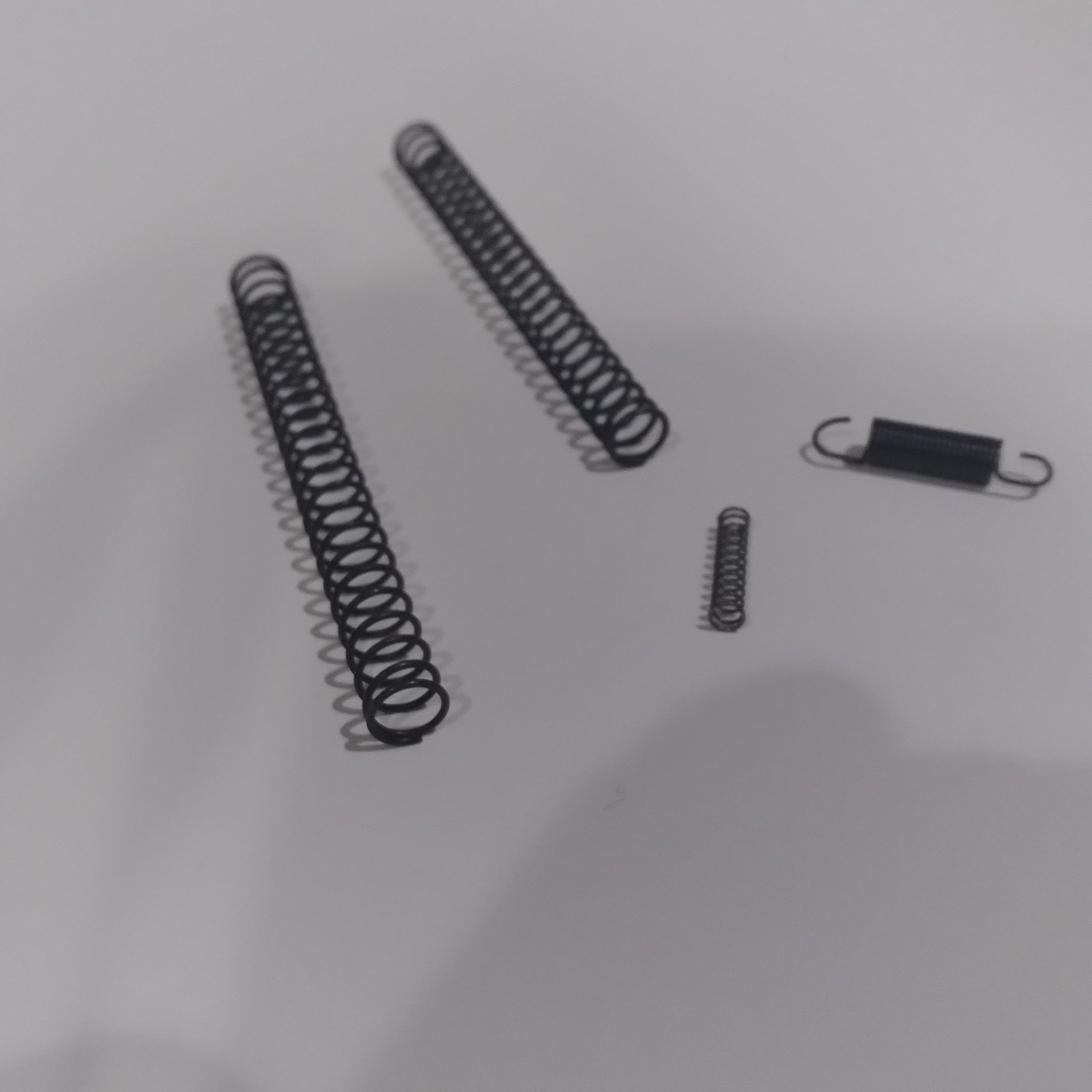
The recoil spring fights against the striker spring during cycling in a striker-fired gun. This means lighter (lower-power) ammunition can sometimes fail to cycle reliably, especially if compensators or porting remove more of the gas energy needed to operate the action.
- Striker-fired pistols: When cycling, you’re overcoming friction and the recoil spring, but ALSO the striker spring (which can be quite stiff, by necessity).
- Added mass (from a compensator or heavier slide) or reduced gas pressure (from porting/compensators) make it harder for low-power loads to cycle the gun. This increases the odds of failures to eject (FTE) or failures to feed (FTF).
- Tuning is trickier; you might need lighter recoil/striker springs to reliably cycle with certain ammo or comp setups.
- Hammer-fired pistols: On slide movement, the main competition is generally the recoil spring.
- The hammer spring is only partially tensioned by the slide’s rearward motion.
- Hammer-fired guns are typically less sensitive to light loads when using comps/ports, since less total resistance has to be overcome compared to striker-fired designs.
Practical Effects: What You’ll Notice
With Compensators or Ported Barrels:
- Striker-fired handguns may:
- Become more ammo sensitive—good reliability may require hotter loads.
- Demand careful spring tuning to ensure reliable cycling.
- Struggle with light or specialty loads after porting or comp installation.
- Hammer-fired handguns:
- Generally run more reliably with a wider range of ammo, even after porting or adding a comp.
- Less likely to require major changes to spring rates.
Choosing the Right Recoil Setup
- If you run a striker-fired pistol with a comp or ported barrel, plan on:
- Testing multiple ammunition types.
- Experimenting with lighter recoil/striker springs.
- Expecting some trade-offs in reliability with mild loads.
- If you use a hammer-fired pistol, you’ll likely face fewer complications, but tuning your setup can still enhance performance.
Summary Table
| Feature | Striker-Fired Comp/Ported | Hammer-Fired Comp/Ported |
|---|---|---|
| Ammo Sensitivity | High (light ammo may fail) | Lower (more forgiving) |
| Spring Tuning Need | Often critical | Sometimes helpful |
| Cycle Reliability | Can decrease (w/ comp/port) | Less affected |
| Competitive Use | Demands careful setup | Generally easier setup |
Conclusion
When adding a compensator or using a ported barrel, striker-fired pistols are simply less forgiving—the interplay of springs means these mods can tip the balance between reliable function and failure to cycle. Hammer-fired pistols weather these changes better, with fewer complications from added mass or vented gas. Understanding these mechanics and carefully tuning your firearm is the key to making recoil control work with you, not against you.
Always test your setup extensively before relying on it for competition or defense. Ammunition, spring weights, and even cleaning habits can all affect reliability, especially in finely tuned, compensated or ported striker-fired guns.










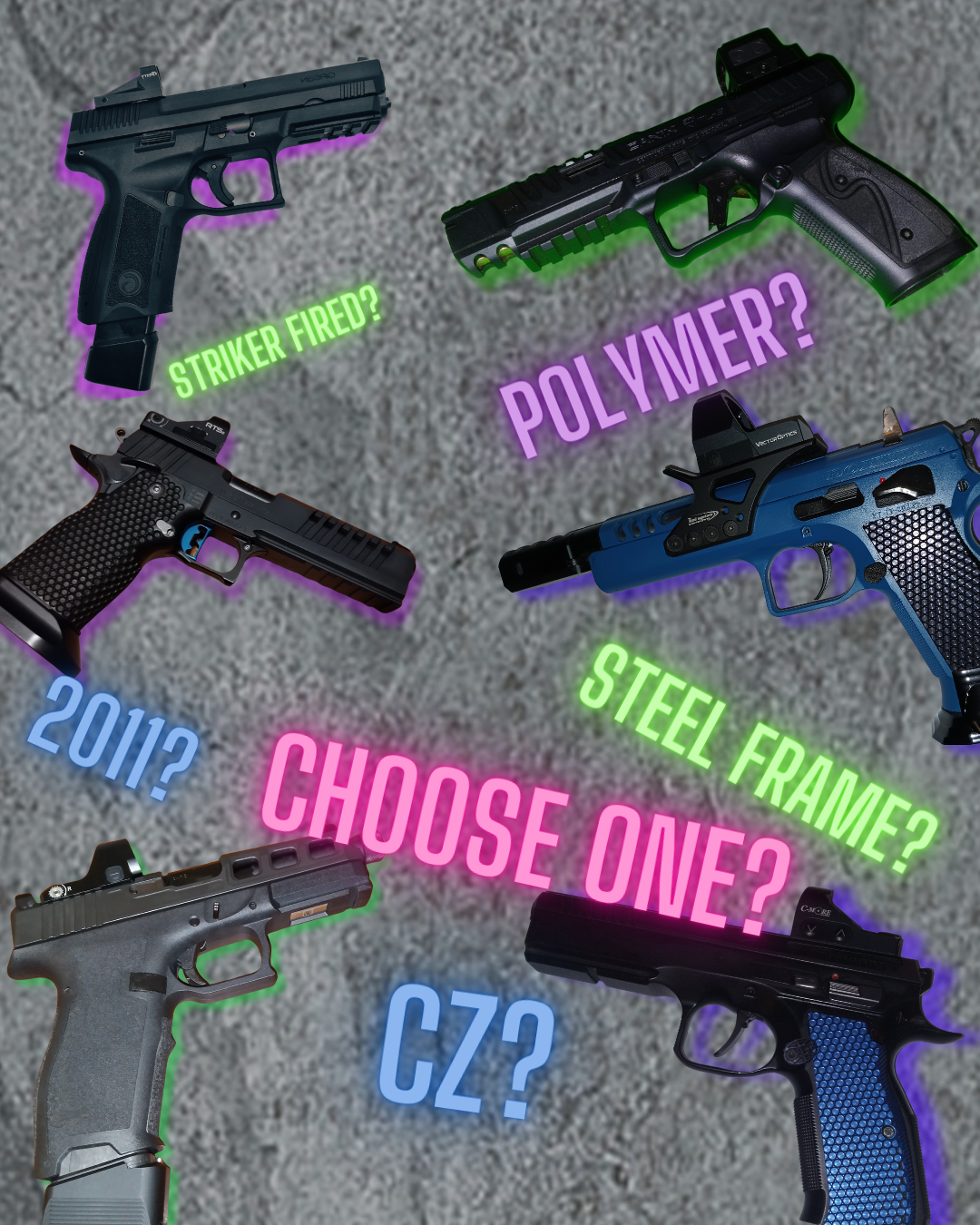


 As an instructor, former MD, and competitor, I have noticed that one thing remains the same from beginner to advanced shooters. What is most comfortable in YOUR hands will be the most comfortable and consistent for YOU to shoot. In turn, on a topic of growth, you'll find a more direct correlation of progress with a gun that is naturally comfortable to you over something that isn't. Don't expect a price tag to produce progress you haven't worked for! But also remember reliability is equal as well; it must work as well as be comfortable, whether it is a $500 Glock or $5,000 2011. Guys and Gals have won championships with everything from Glocks, Sigs, Walthers, Caniks, and 2011s. So, remember, the type of gun used doesn't make the shooter, but the connection between gun and shooter can. One saying I always loved was, "Go ahead and get that 2011; someone out there is still going to beat you with a plastic gun". This means that someone who's comfortable with that plastic gun will not succumb to your new imaginary skills just because you finally own that 2011 you're not yet comfortable with.
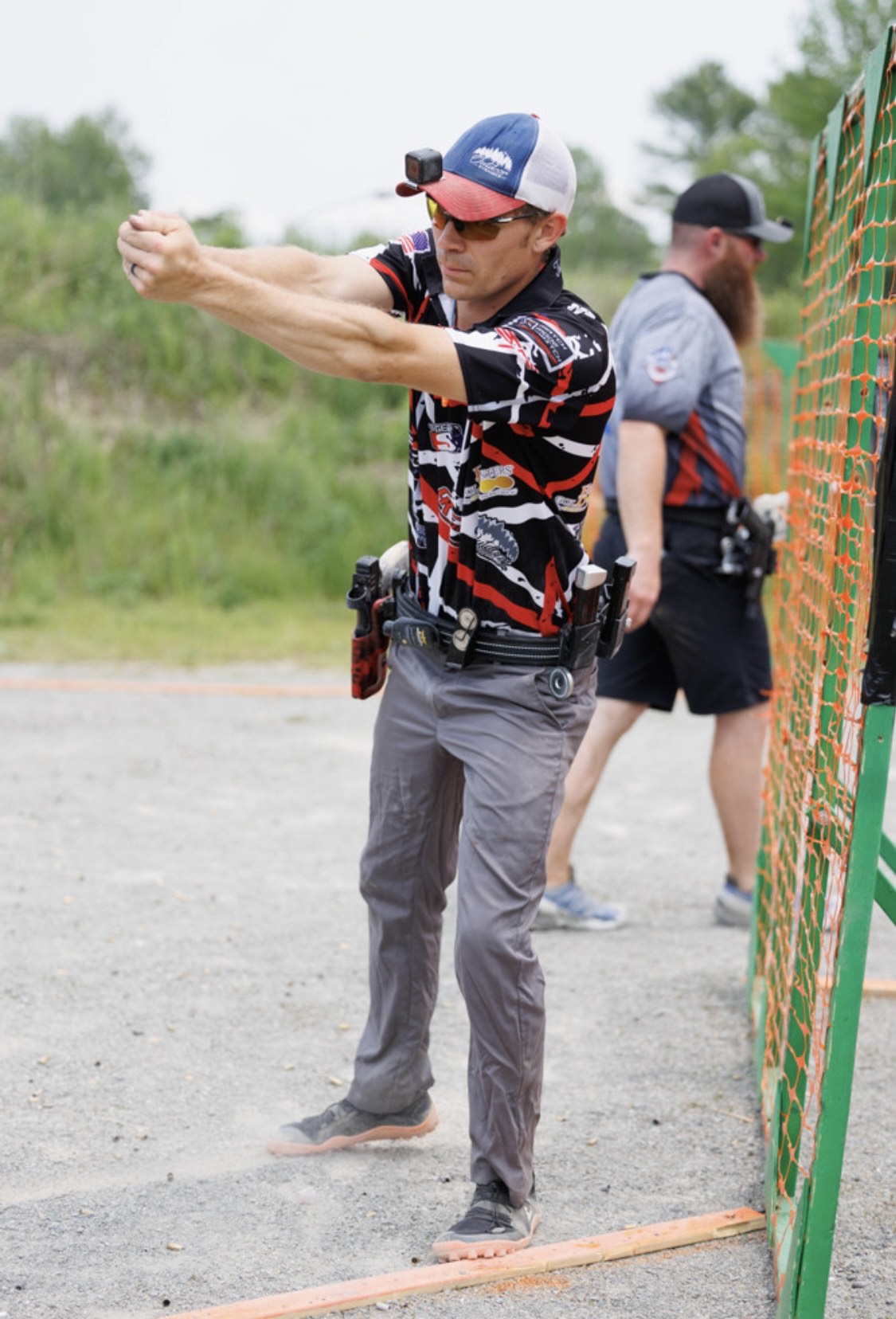

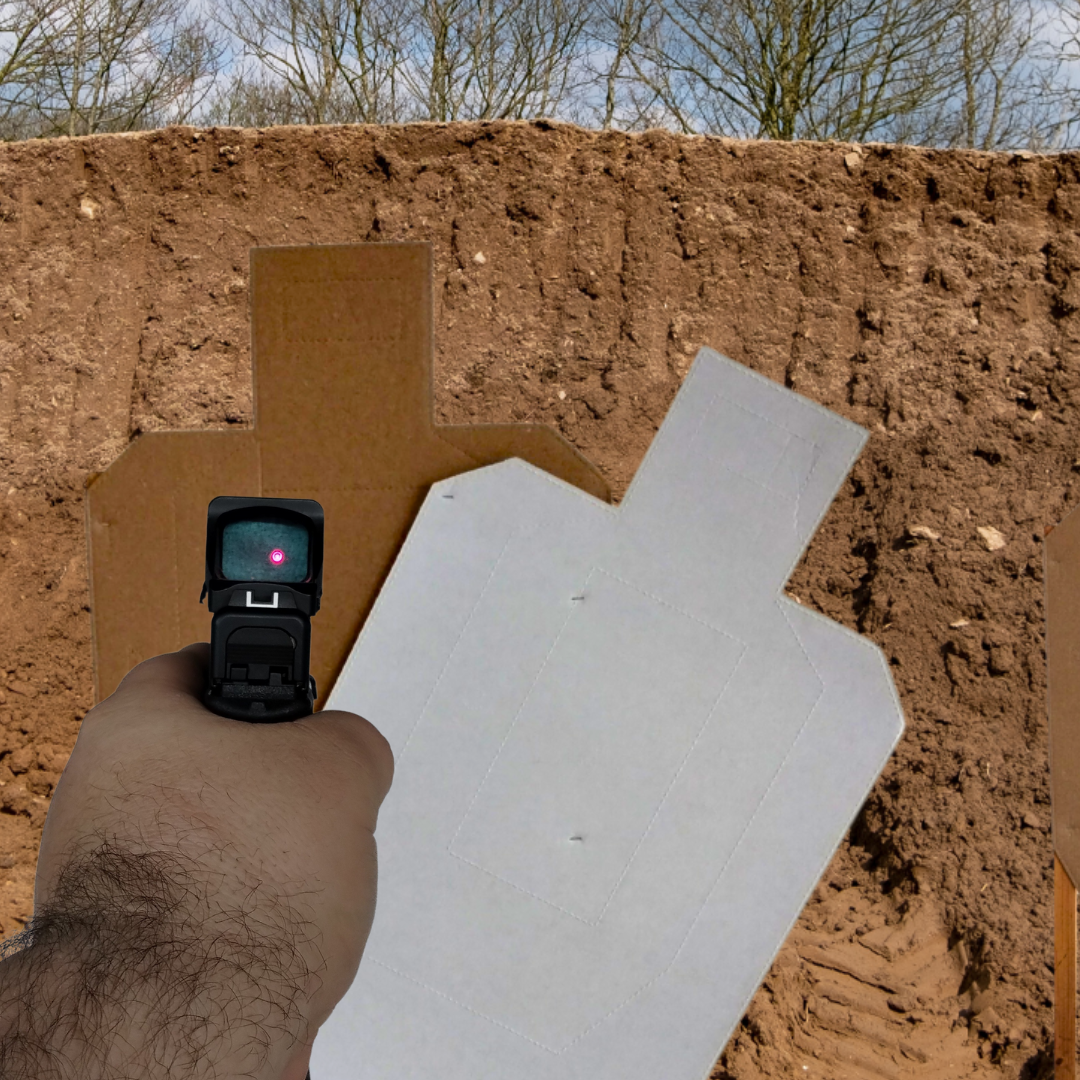
 Why would someone dry fire every day, even for only a few minutes? I will cover some reasons for doing this and the skills I prioritize. All of this comes from the perspective of a competitive shooter who wants to develop the skills and confidence to perform at the top end of my ability, on demand, in competition. First, the specific skills I practice and how I train them matter far less than the regularity with which I handle the pistol. Training every day builds a deep familiarity and connection to the gun, allowing me to look at a small spot and present the dots/sights to that spot without thinking specifically about how to do this. That is the main benefit of handling my competition pistol every day, regardless of whether it’s for 5 minutes or 50.
 The skills I maintain focus on developing are simple: draws, reloads, and target transitions. There are obviously variations to all of these skills; for example, the draw is not always “wrists below the belt,” but it could be a table start or hands starting on a wall; this principle of variety applies to any skill in working on. Overall, Allowing myself the opportunity to train every day without the pressure to have an entire 45-minute session makes it far more likely that I actually handle the pistol every day. Often, these shorter sessions become longer or even an additional dry fire session later in the day. Maintaining daily gun handling skills over Extended periods, such as years, has only had a positive impact on my shooting, and I’m sure it would be for anyone who wants to get better at shooting.I currently use the full-size 5” Walther PDP steel frame with a 14-pound flat wire spring and the Rune Tactical guide rod. I use CR speed for my belt and magazine pouches. I use a GX products Vice on a BOSS hanger for my holster.


