
Mastering the Occluded Dot Technique in Competitive Shooting
Hey everyone, Aaron here from Rune Tactical! Today, I want to share one of the most significant improvements I’ve made in my competitive shooting career: embracing the occluded dot technique to become more target-focused.
The Journey to Occluded Dot
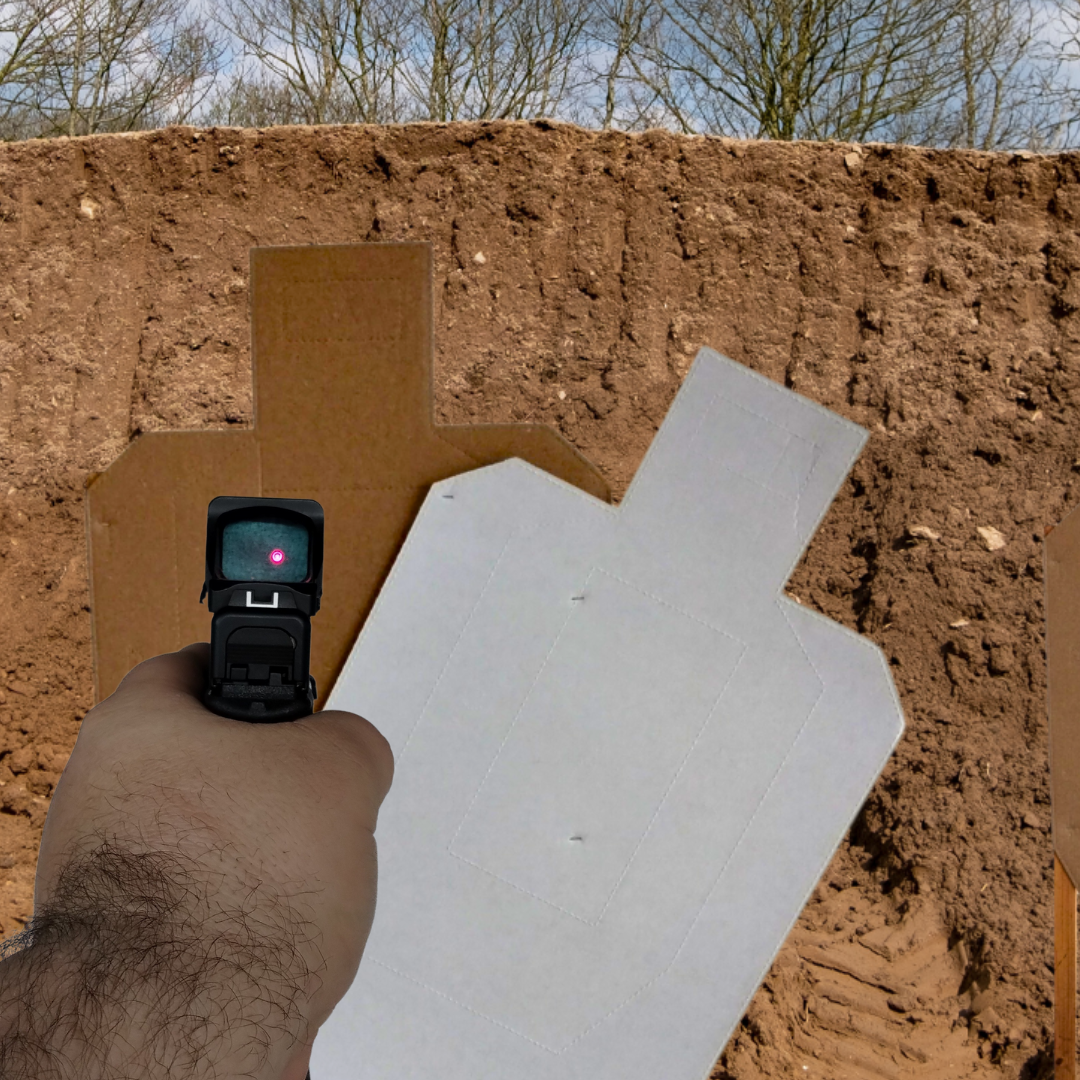
When I first started in USPSA, the two largest divisions were OPEN and Limited. Iron sights require a more front-sight-focused approach, but the idea of occluding the dot makes your support or non-dominant eye work harder at seeing things faster. This technique forces your brain to superimpose the information from your support eye into your vision, allowing you to act on what you see more effectively and efficiently.
Historical Context
Back in the day, from around 2000 to 2015, shooters would talk about training their eyes by staring at ceiling fans and picking a blade to focus on, trying to make their eyes “faster and more focused.” This is similar to sitting on the couch, picking a character from a TV show, and dry-firing on them every time they appear on the screen. Though seemingly old-school, these methods are still relevant and effective in today’s competitive shooting world.
DON’T POINT A LOADED GUN AT YOUR TV; WE AREN’T RESPONSIBLE FOR YOUR STUPID!

The Occluded Dot Technique
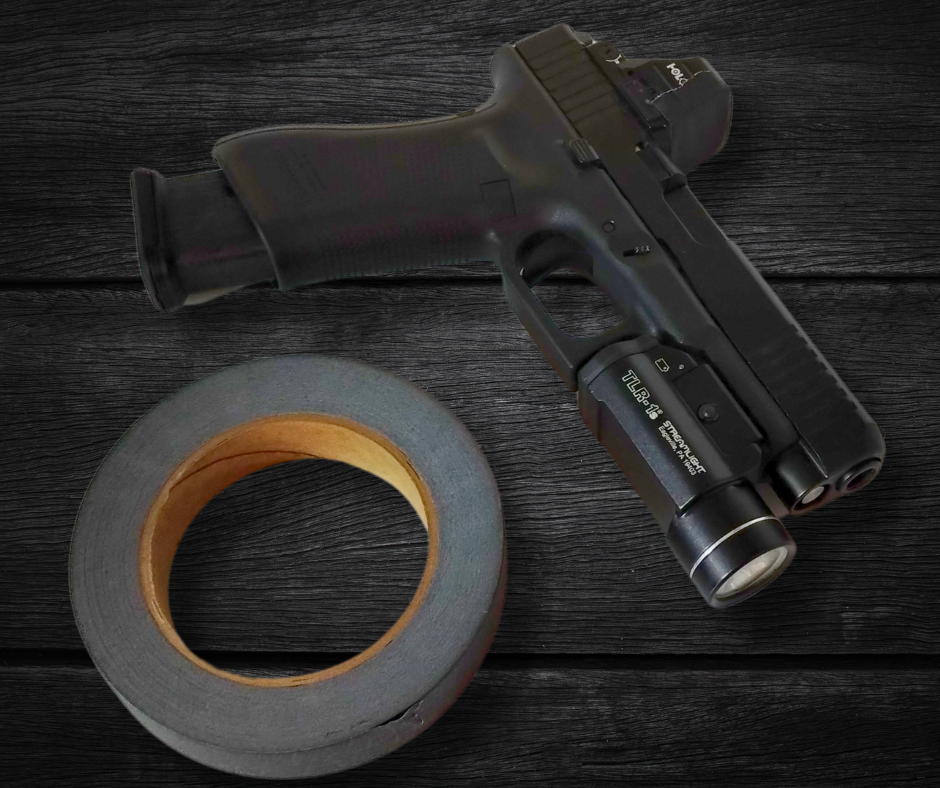
The occluded dot technique blocks the window of your red dot sight using a Range Panda dryfire cover or a piece of black tape. The range panda covers are a fantastic answer to the tape residue left on the glass. They are also cheap, so there isn’t a reason not to have one. This forces your brain to rely on the information from your support eye, enhancing your target acquisition speed and accuracy. Here’s how you can practice this technique:
- Dry Fire Practice: Start by practicing with an occluded dot during dry fire sessions. This helps you get used to the visual input from your support eye.
- Live Fire Practice: Once comfortable, incorporate the occluded dot into your live fire practice. This will help you adapt to the technique under real shooting conditions.
- Focus on Fundamentals: When practicing with an occluded dot, focus on core fundamentals like grip, stance, and trigger control. Avoid improving other aspects simultaneously, as it may complicate diagnosing issues.
Benefits of the Occluded Dot Technique
- Enhanced Target Focus: Forces your support eye to work harder, improving target acquisition speed.
- Improved Accuracy: Helps maintain a consistent sight picture, leading to more accurate shots.
- Increased Confidence: Builds confidence in your ability to engage targets quickly and effectively.
Conclusion
The occluded dot technique is a valuable tool in the competitive shooter’s arsenal. By incorporating this method into your training routine, you can enhance your target focus, accuracy, and overall performance. Remember, consistent practice is key to mastering any technique. So, hit the range, stay focused, and keep pushing your limits!






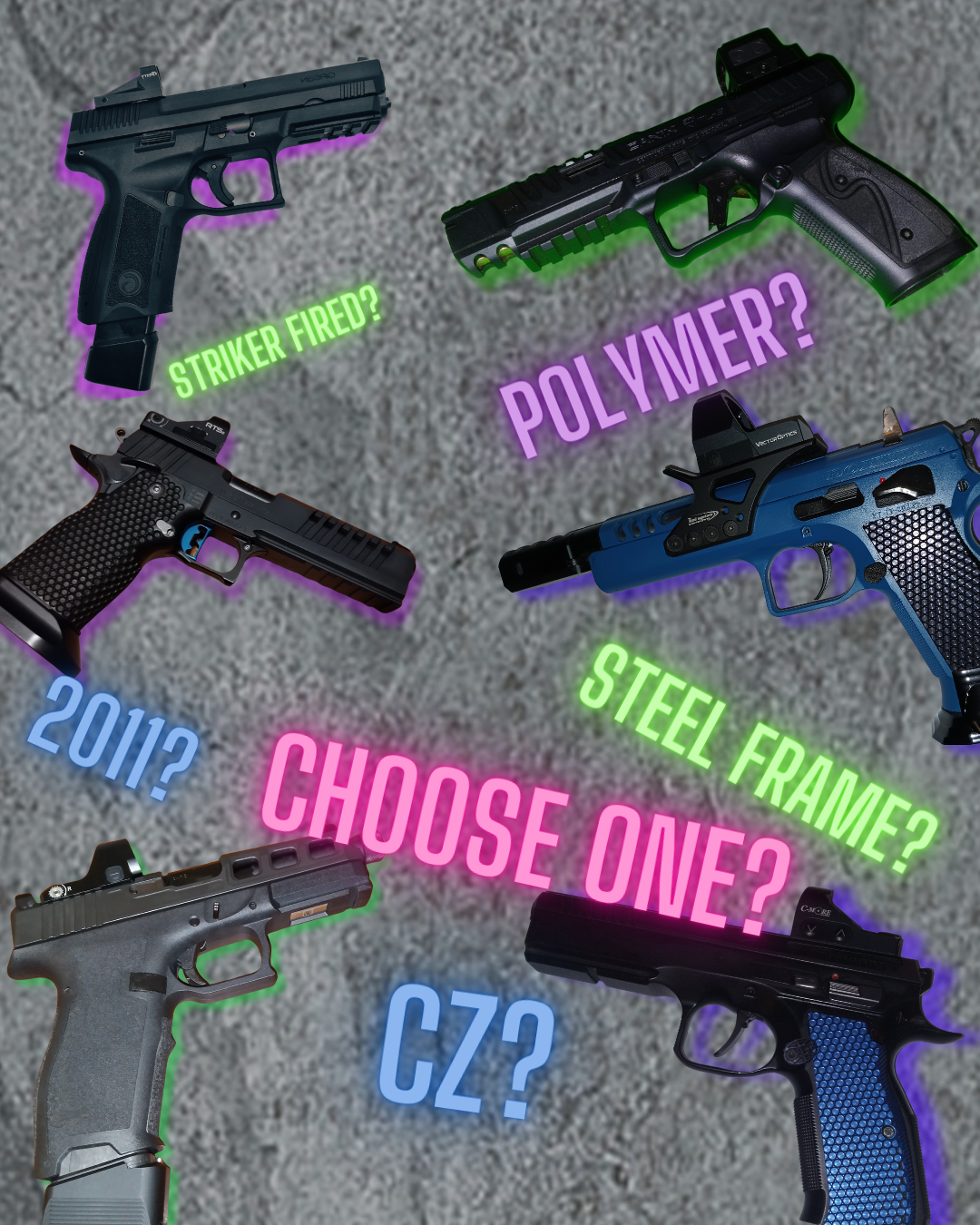


 As an instructor, former MD, and competitor, I have noticed that one thing remains the same from beginner to advanced shooters. What is most comfortable in YOUR hands will be the most comfortable and consistent for YOU to shoot. In turn, on a topic of growth, you'll find a more direct correlation of progress with a gun that is naturally comfortable to you over something that isn't. Don't expect a price tag to produce progress you haven't worked for! But also remember reliability is equal as well; it must work as well as be comfortable, whether it is a $500 Glock or $5,000 2011. Guys and Gals have won championships with everything from Glocks, Sigs, Walthers, Caniks, and 2011s. So, remember, the type of gun used doesn't make the shooter, but the connection between gun and shooter can. One saying I always loved was, "Go ahead and get that 2011; someone out there is still going to beat you with a plastic gun". This means that someone who's comfortable with that plastic gun will not succumb to your new imaginary skills just because you finally own that 2011 you're not yet comfortable with.
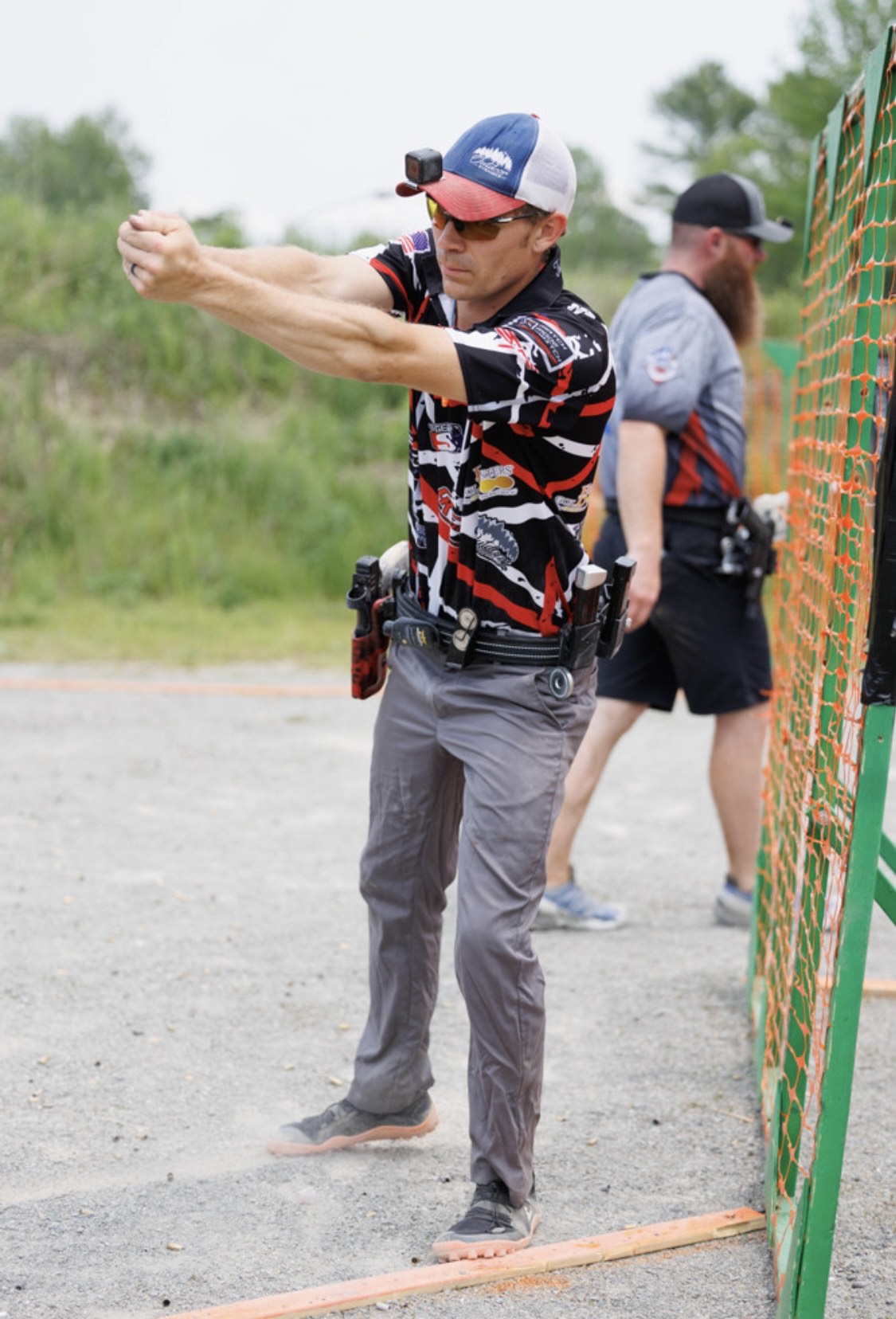

 Why would someone dry fire every day, even for only a few minutes? I will cover some reasons for doing this and the skills I prioritize. All of this comes from the perspective of a competitive shooter who wants to develop the skills and confidence to perform at the top end of my ability, on demand, in competition. First, the specific skills I practice and how I train them matter far less than the regularity with which I handle the pistol. Training every day builds a deep familiarity and connection to the gun, allowing me to look at a small spot and present the dots/sights to that spot without thinking specifically about how to do this. That is the main benefit of handling my competition pistol every day, regardless of whether it’s for 5 minutes or 50.
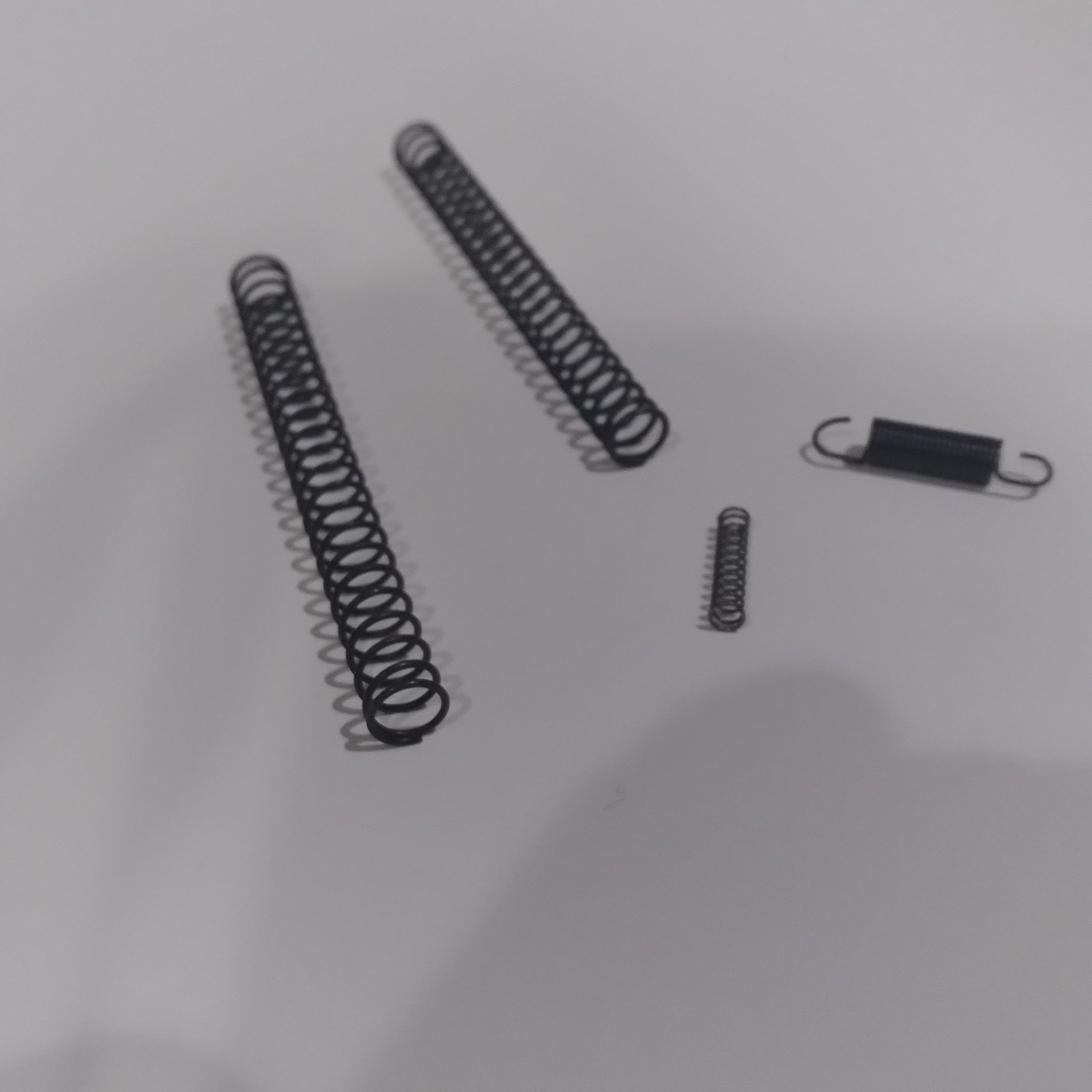
 The skills I maintain focus on developing are simple: draws, reloads, and target transitions. There are obviously variations to all of these skills; for example, the draw is not always “wrists below the belt,” but it could be a table start or hands starting on a wall; this principle of variety applies to any skill in working on. Overall, Allowing myself the opportunity to train every day without the pressure to have an entire 45-minute session makes it far more likely that I actually handle the pistol every day. Often, these shorter sessions become longer or even an additional dry fire session later in the day. Maintaining daily gun handling skills over Extended periods, such as years, has only had a positive impact on my shooting, and I’m sure it would be for anyone who wants to get better at shooting.I currently use the full-size 5” Walther PDP steel frame with a 14-pound flat wire spring and the Rune Tactical guide rod. I use CR speed for my belt and magazine pouches. I use a GX products Vice on a BOSS hanger for my holster.


